

Lately, I’ve been thinking a lot about relationships—the complicated, loving, sometimes messy kind. The kind that exists between siblings, between generations, between families who care deeply about each other but don’t always say it out loud.
These thoughts come up often in my work, but they’ve been sitting a little closer to the surface this week. Maybe it’s just the reminder that the people closest to us are often the ones most affected when we don’t plan well, or when we avoid planning altogether.
So let me ask you something, I ask every client who walks into my office:
Why are you here? Why now?
The answers vary. Some people say, “We’ve been meaning to do this forever.” Others come in after a crisis—“My dad just passed, and it was a disaster,” or “We had a falling out, and I don’t want that to happen in my own family.”
But more often than not, the answer lands here:
“I want to make my death easier for my family.”
Or
“I don’t want to be a burden.”
That’s when I usually pause and offer something that often surprises people:
A Will or Power of Attorney won’t get you that.
Legal Tools Aren’t Magic Wands
There’s no spiritual or biological imperative to have a Will.
There’s no government rule that punishes you for not having one.
And no piece of paper will stop death, prevent conflict, or ease the emotional weight of loss.
Wills don’t make your death “easy.”
Powers of Attorney don’t make your aging graceful.
Life insurance doesn’t guarantee peace.
These are tools—important ones, yes—but still just tools.
And tools can’t fix what’s fundamentally human.
I often compare a Will to a hammer. A hammer can build a house. A hammer can also tear one down.
It’s not about the tool. It’s about how and why you use it.
Why Do We Even Have Wills?
We have Wills because we die.
Because we own things.
Because, legally, dead people can’t.
Wills exist in a system that recognizes private property, something humans invented. Your Will gives someone (usually an Executor, technically an Estate Trustee) the legal right to step into your shoes when you die. They’re responsible for paying off your debts, handling your assets, and distributing what’s left.
That leftover part? In law, it’s called the “Residue.”
Sounds lovely, doesn’t it?
But here’s the truth: this is a process. A legal, transactional one. It keeps the paperwork in order. It wraps things up cleanly. It’s necessary in our world, but it doesn’t cover the full reality of death and family.
What People Really Mean by “Simple”
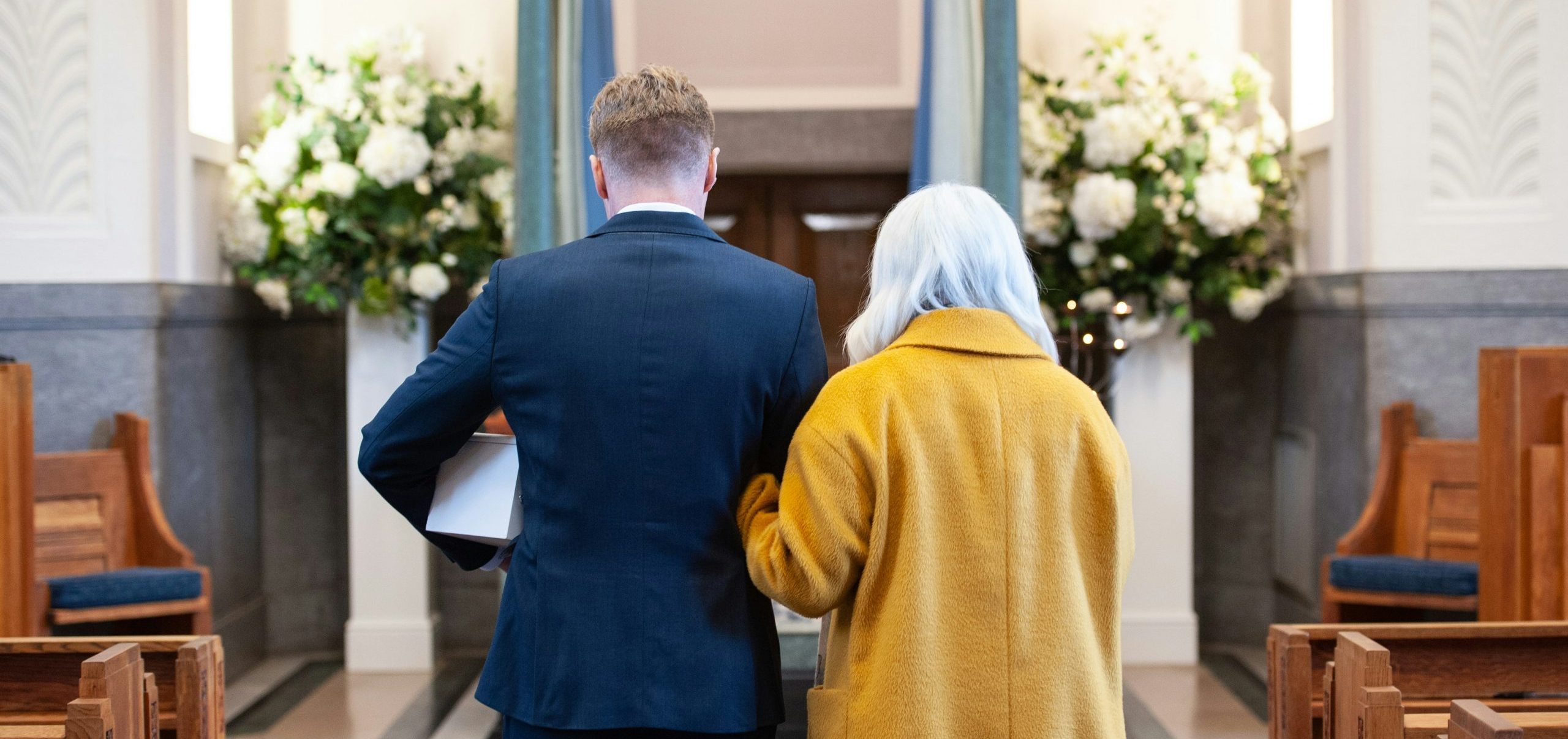
When someone says, “I just want to make things simple,” I hear something deeper.
They want to take responsibility.
They want to minimize harm.
They want to communicate love and leave clarity, not confusion.
They want to be remembered in a way that reflects who they were and what they valued.
That kind of planning isn’t legal.
It’s emotional. It’s relational. It’s human.
And no form or policy, or checkbox, can do it for you.
You Will Be a Burden (And That’s Okay)
Here’s a hard truth: if you die surrounded by people who love you, your death will be a burden.
You will be missed.
You will require care.
You will leave a space no one else can fill.
You will be a burden, just like you were as a newborn. But maybe that’s not a problem. Maybe that’s part of the beauty.
We come into this world needing others. And with hope, we’ll leave this world in the care of others, too.
What Conscious Estate Planning Really Means

Real planning means accepting that your documents are just one part of the work.
The law can’t make your relationships stronger.
It can’t speak for you when things get messy.
It can’t hold your family together when emotions are high.
That’s why we developed Conscious Estate Planning at Brown Lawyers.
Because the law needs heart. And your life deserves more than a checklist.
Conscious Estate Planning is about marrying the legal with the emotional. It’s about asking the harder questions and making the space to answer them. It’s about choosing to show up, even when the topic is uncomfortable or uncertain.
Let’s Make the Ending Matter
If you’re ready to move beyond the paperwork and create a plan that actually reflects your values, your relationships, and your story, we’re ready to help.
We can’t make death easy.
But we can make your planning clear, thoughtful, and grounded in what matters most.
This is about more than legal documents.
It’s about how you live—and how you leave.
Book your Conscious Estate Planning Session
Learn more about Conscious Estate Planning
PS – If this made you think of someone—your sibling, your father, your kids—that’s a good place to begin.
