
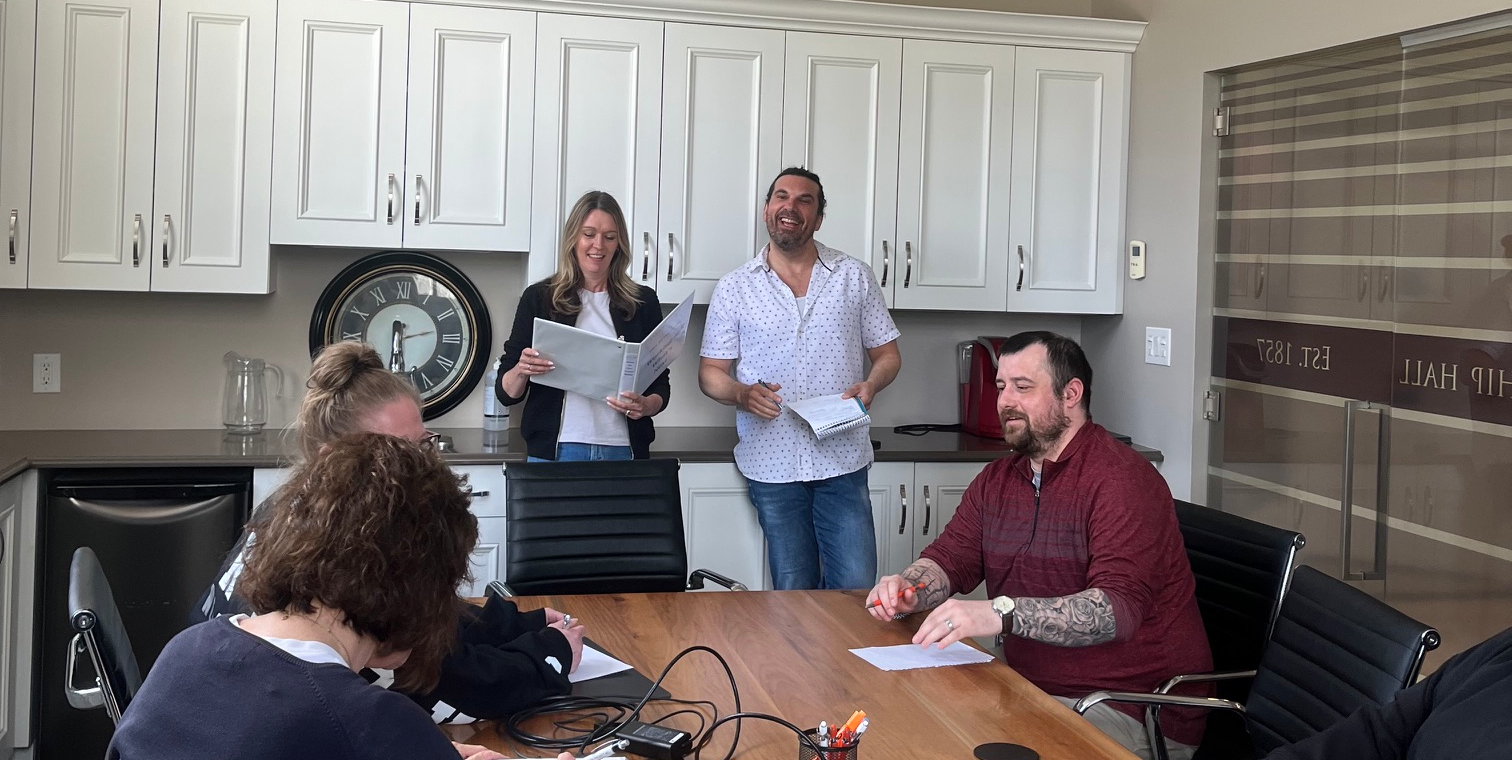
In April, the Brown Lawyers team accomplished a long-held goal: hosting our first “Working on What’s Next” Workshop.
This wasn’t about introducing something new. It was about continuing something important.
Graduates of our Foundations Program were invited to keep going—to take what they had already started and turn intention into action. Because while most people understand the value of planning, far fewer stay engaged with the work over time.
That gap—between knowing and doing—is where this workshop lives.
Estate Planning Is More Than Documents
In Foundations, we learn that legal documents and money are just tools for planning.
The real planning is learning to communicate about our lives.
The details matter:
- What we own
- Where it is
- How we own it
- Who to contact
But more importantly are the stories that make up our lives.
Our preferences.
Our likes and dislikes.
What brings us joy.
The lessons and events that form the compass of our lives.
This is the difference between traditional estate planning and a more complete approach to legacy planning.
Because when the time comes, the people responsible for caring for us—or settling our estates—need more than instructions.
They need context.
They need us.
The “Law of Diminishing Intent”
Our CODA Coach, Michelle Grimmer, facilitated the workshop with seven participants. Each attendee was given a binder with prompts to document both the practical and personal aspects of their lives.
The goal was simple: leave with something written.
Because we see a pattern—what I call the “law of diminishing intent.”
After going through an estate planning process, people understand the importance of documenting their lives. But without structure and accountability, that intention fades.
Not because people don’t care.
But because life gets in the way.
A Common Sticking Point in Estate Planning
What became clear in the room is that this experience is shared.
Everyone knew this work was important—even necessary—but struggled to follow through on their own.
It’s a common sticking point in modern estate planning.
And while there’s no magic solution, there is a simple truth:
It takes discipline.
It takes motivation.
It takes a decision to care—for yourself and for the people who depend on you.
The Question That Changes Everything
After documenting key information, the group was guided through one essential question:
Why is this work important to me?
Why create a “When the Time Comes” binder?
Clarity here is what drives action.
Because there are no reminders telling you to do this work.
No ads. No urgency. No external pressure.
There is only your life—and your decision to engage with it.
When you know your “why,” you have something to return to:
- When you’re tired
- When it feels like it doesn’t matter
- When it’s easier to do something else
(Yes—even watch Heated Rivalry instead.)
Why Community Matters in Legacy Planning
The workshop didn’t just create progress, it created connection.
Participants shared their experiences with aging, death, and responsibility. The conversations were real, grounding, and inspiring.
What often feels overwhelming in isolation became lighter. More manageable. Even enjoyable.
This is where holistic estate planning becomes real.
It’s easier to do meaningful work when you’re not doing it alone.
It’s fun to care.
It’s fun to do something good for yourself.
It’s fun to know you’re helping the people who matter most.
And maybe most importantly, it’s powerful to realize you can speak to people you haven’t even met yet.
A More Complete Approach to Estate Planning in Ontario
If you’re starting to think differently about planning, you’re not alone.
Traditional approaches often focus on documents like wills and powers of attorney. These are essential—but they are only part of the picture.
A more complete approach to estate planning in Ontario includes:
- Clear documentation of your assets and responsibilities
- Thoughtful communication of your values and preferences
- Ongoing engagement with your plan as your life evolves
If this way of thinking about planning resonates with you, you can take a deeper look at the thinking behind it through the CODA framework.
This is where planning shifts from transactional to meaningful.
What Participants Had to Say
The feedback from the workshop reinforced exactly why this work matters.
“My sincerest thanks to you, Fiona and Andrew for facilitating tonight’s session.
There was lots of good discussion, relevant content for where I am at in the process and well-thought-out materials to take home and keep moving forward.
I’m always interested in learning and future sessions.”
— Workshop Attendee
What’s Next
This was never meant to be a one-time event.
The response made it clear: people want structure, accountability, and support to continue this work.
We’ll be offering more opportunities to keep going—together.
If you’ve been meaning to start—or meaning to get back to it—this is your invitation.
Connect with the team at Brown Lawyers
Because when the time comes, what matters most won’t be what you had.
It will be what you shared.
